Sandy Loam

Used for filling and landscaping, this material offers uniform texture and moderate weight, making it ideal for leveling ground and creating smooth, even layers in outdoor construction projects.
$ ......
SHOW PRICE
Add to Cart
Stuck? We are here to help! Get a Quote for Aggregates

Information

  • Pricelist: Prices Sandy Loam
  • Density: 1 ton = 0.83 cu yd / 1 cu yd = 1.2 ton
  • Coverage: 0.62 cu yd covers 100 sq ft 2 inch deep
  • Coverage: 1.54 cu yd covers 100 sq ft 5 inch deep
  • Volume Estimator: Coverage Calculate Sandy Loam

Sandy Loam: Material Overview for Filling and Construction

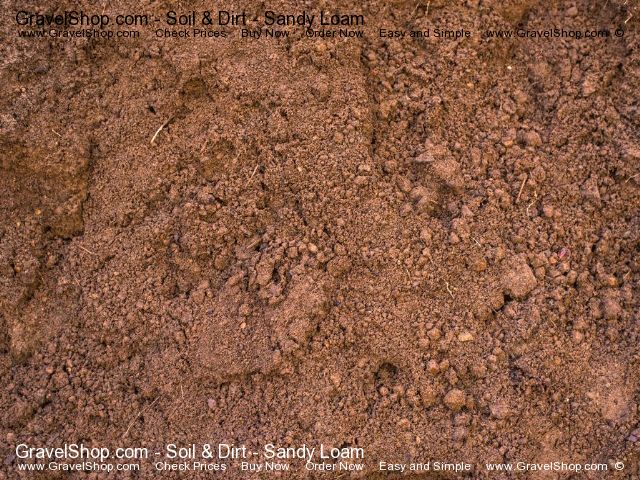
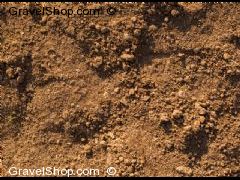
Sandy Loam is a widely used material for filling and landscaping in residential, commercial, and construction settings. It is recognized for its uniform blend of sand, silt, and clay, with sand as the dominant component. This composition results in a light, crumbly texture and moderate weight, making it manageable for site work and even layering. Sandy Loam is sometimes referred to as sandy loam soil, loamy sand (though technically different), or sandy topsoil, depending on context. Its typical color ranges from brown to light brown.

The proportions in Sandy Loam usually fall within 60-70% sand, 10-15% clay, and 20-30% silt, but may vary by source. According to the USDA soil texture classification, it contains 43-85% sand, 0-50% silt, and 0-20% clay. The material meets ASTM D2487 standards as SM or SP-SM, depending on grading and fines content. It has a bulk density of about 1.2-1.6 g/cm³ and a pH typically between 5.5 and 7.5. The sand particles are 0.05-2 mm, silt particles are 0.002-0.05 mm, and clay particles are less than 0.002 mm.

Key Features of Sandy Loam

  • Uniform texture for consistent filling and layering
  • Moderate weight for easy transport and placement
  • Light, crumbly structure simplifies handling and spreading
  • Suitable for ground leveling and creating smooth layers

Sandy Loam is valued for use in general landscaping, topsoil for lawns and turf, vegetable and flower beds, sports fields, golf courses, and as a soil amendment for heavy clay soils. It is also used for backfill in planting trees and shrubs, erosion control when stabilized with vegetation, and as fill in construction projects when specified.

Physical and Chemical Properties

Property Typical Value
Sand Content 60-70%
Silt Content 20-30%
Clay Content 10-15%
Bulk Density 1.2-1.6 g/cm³
pH Range 5.5-7.5
Color Brown to light brown
Texture Light, crumbly, granular
USDA Classification 43-85% sand, 0-50% silt, 0-20% clay

Typical Applications

  • Leveling and filling for landscaping projects
  • Creating even base layers for non-structural construction
  • Backfilling around non-load bearing features
  • Base for walkways and ground preparation

The manageable particle size distribution allows for straightforward grading and uniform layering, making it a practical choice for ground preparation. Sandy Loam's moderate weight supports iterative layering and consistent positioning during site work.

Limitations and Incorrect Applications

Sandy Loam is not suitable for all uses. It should not be used where high compaction or structural fill is required, such as under foundations or road bases. It is not intended for high-traffic areas or as a primary support medium for heavy loads. The material may not be ideal for applications needing very high moisture retention or for use as a standalone medium in containers without amendments. Sandy Loam can also be prone to nutrient leaching if not managed properly. Always evaluate project requirements before selection.

Comparison with Other Materials

Material Comparison to Sandy Loam
Pure Sand Less nutrient and moisture retention
Clay Soil More difficult to work, holds more water
Silt Loam Drains slower, more prone to compaction
Topsoil (generic) Variable composition, not always sandy loam
Loamy Sand Less silt and clay, drains faster

Guidelines for Use and Handling

For best results, distribute Sandy Loam evenly to maintain layer uniformity. Plan the layering sequence to achieve a smooth, consistent surface. Use appropriate equipment to handle and place the material efficiently and accurately. Monitor layer thickness and weight to ensure even coverage. Maintain product consistency by sourcing Sandy Loam with verified uniform texture and composition.

Ordering and Delivery Information

Gravelshop supplies Sandy Loam across 31 U.S. states, working with a network of verified local suppliers. All prices listed on our website include delivery and any sales tax or environmental fees. Delivery is performed by independent trucking companies. The truck driver will unload the material at the most suitable spot on your driveway, sidewalk, or street, based on their discretion. If you are not present, you accept responsibility for the unattended material. Road access must be at least 12 feet wide and suitable for heavy trucks. If access is not possible, delivery will occur at the closest feasible location, or a missed delivery charge may apply. We do not spread or install the material.

Ordering is simple: select your product, enter your ZIP code, and choose your delivery date and time. Payment can be made online using major credit cards or digital payment methods. You will receive a confirmation email with order and delivery details. Bulk quantities are available, from small loads to full truckloads. Volume and size variations may occur within industry tolerances.

Sample Sandy Loam Prices by Location

Sandy Loam prices vary depending on location, local supply, and delivery logistics. Below are several examples from across the United States, showing both material and delivery costs. All prices are per ton and include delivery to the specified ZIP code.

City ZIP Code County Price per Ton (USD) Delivery Price (USD)
Ocee 76638 McLennan 34 132
Fort Smith 72901 Sebastian 54 145
Glenwood 07418 Sussex 27 147
Tucson 85706 Pima 67 130
Jenks 74037 Tulsa 30 117
Stockton 95212 San Joaquin 21 225
Plano 75023 Collin 80 106
Freedom 95019 Santa Cruz 63 161

To see prices for your area, enter your ZIP code on the Gravelshop website. All prices shown include delivery, with no hidden fees.

Summary of Sandy Loam Material

Sandy Loam is a blend of sand, silt, and clay with sand as the main component. It is suitable for non-structural filling, ground leveling, and landscaping. The material is not suitable for structural or high-compaction uses. Always assess project requirements and site conditions before ordering. For questions or bulk order inquiries, contact Gravelshop directly. Delivery terms, payment options, and order instructions are available on our website.


Related Products


Frequently Asked Questions

Sandy loam is used primarily for filling, landscaping, and leveling ground. It creates smooth and even layers in outdoor construction projects, making it ideal for site preparation and ground leveling.

Sandy loam has a uniform, granular, and crumbly texture. This texture supports consistent filling and layering operations, making it easy to handle and distribute on-site.

Sandy loam has a moderate weight that allows for ease of transport and placement. Its manageable weight helps simplify grading and leveling tasks in construction and landscaping.

Sandy loam is not intended as a primary support medium for heavily trafficked or structural applications. Additional materials may be required where higher load-bearing capacity is necessary.

Sandy loam should be evenly distributed to maintain layer uniformity during filling operations. Planning the layering sequence and using appropriate equipment helps achieve smooth, consistent surfaces for further construction.

Sandy loam typically consists of 50% to 70% sand particles, with 10% to 20% each of finer particles like silt and clay. This composition gives it a uniform texture and moderate density for construction use.

Sandy loam is well-suited for landscaping due to its uniform texture and moderate weight. It facilitates smooth and even ground levels, making it ideal for filling, leveling, and site preparation.


More Questions? Tap the chat icon in the bottom-right to ask our AI assistant.

(844) 331-9393
Our support team is ready to help

OK

Type in Zip code

SAVE

* to get price and selection