
Construction material & Landscape supply

 Tipload
 Bulkbag Lifted
 Bulkbag Pallet
 Package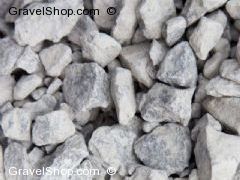
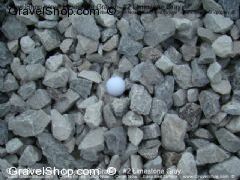
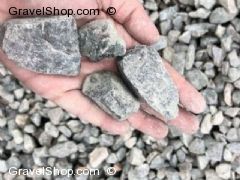
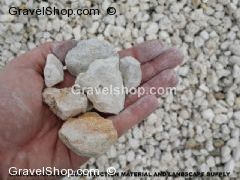
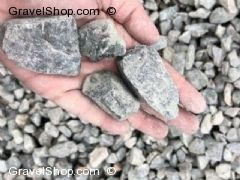
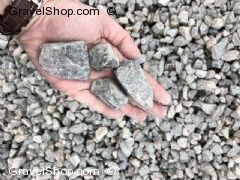
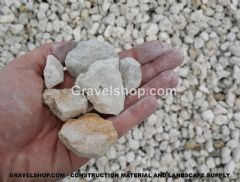
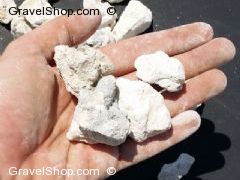
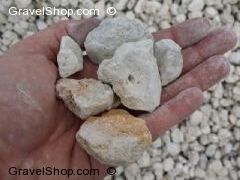
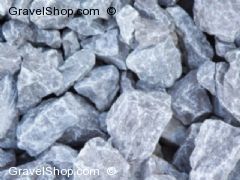
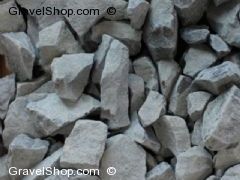
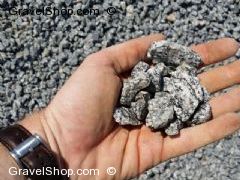
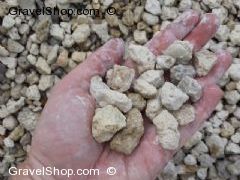
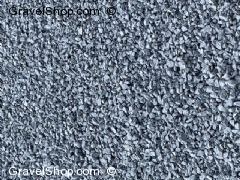
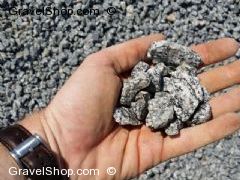
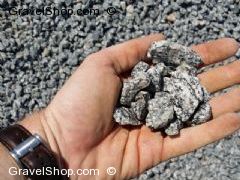
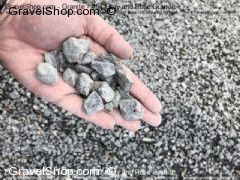
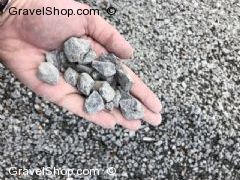

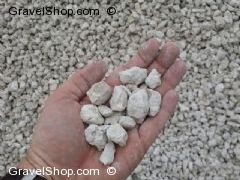
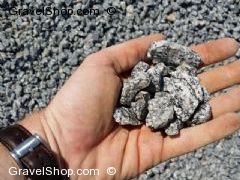
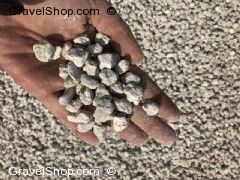
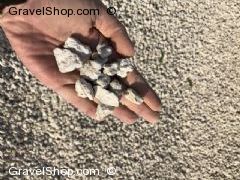
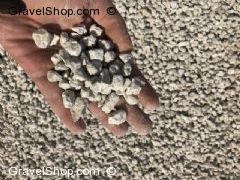
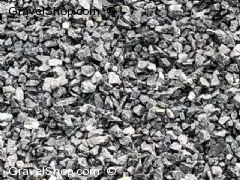
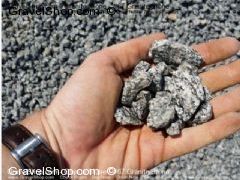
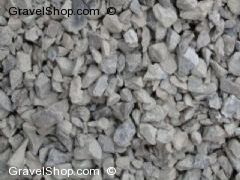
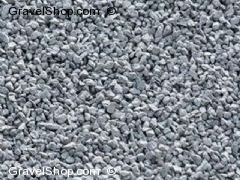
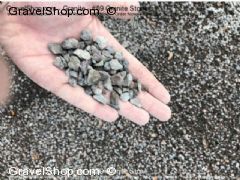
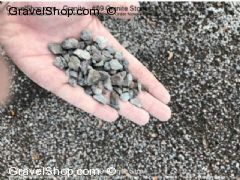
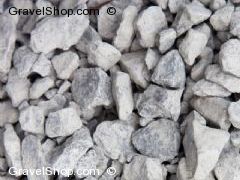
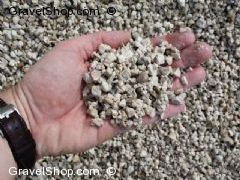

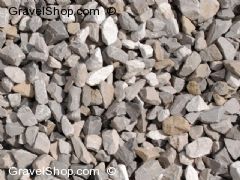
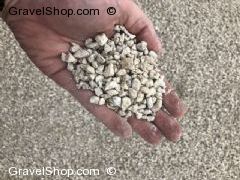
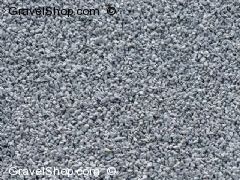
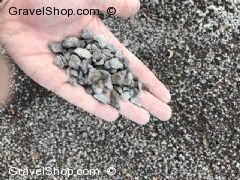
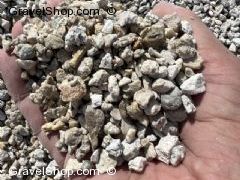

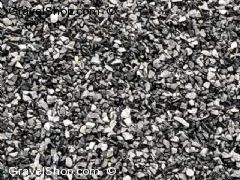
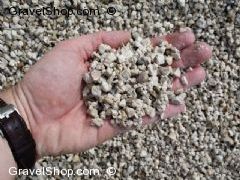
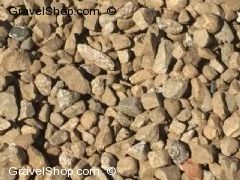
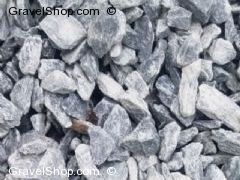
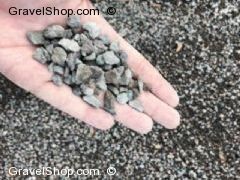
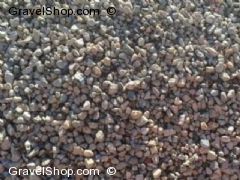
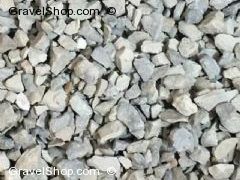
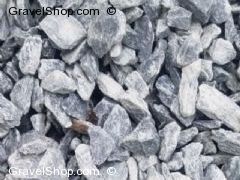
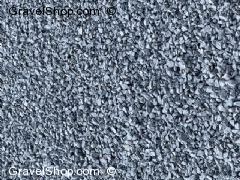
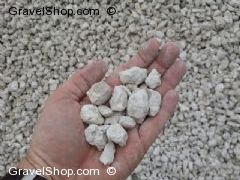
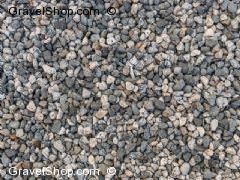

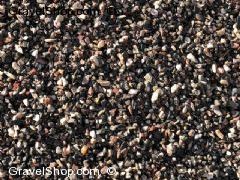
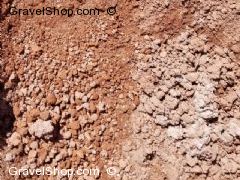
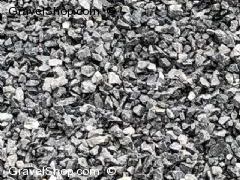
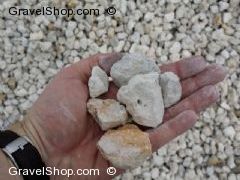
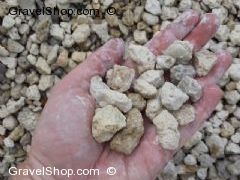
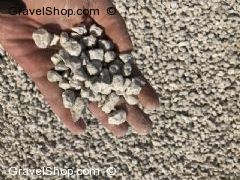
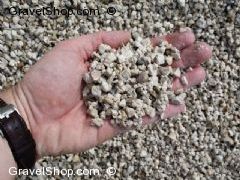
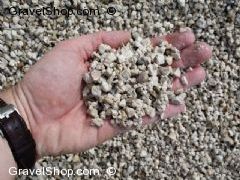
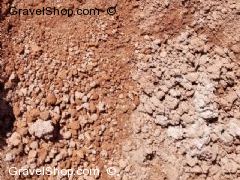
Gravel is an undervalued landscaping tool.
For most of us, thinking about landscaping brings images of plants, water features, and mulch to mind. Gravel is not something many think of as a landscaping material, which is a shame because it is an attractive, versatile, and cost effective option.
Think about one of the most basic elements of landscaping, the driveway. Do you see worn out paths full of ruts and puddles? Most do, but this image overlooks todays options in driveway gravel and the various ways stone can be used to enhance our homes entryway.
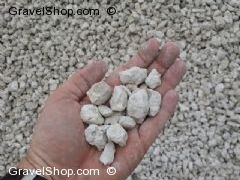
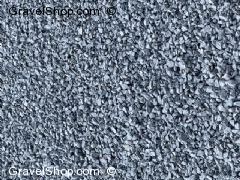
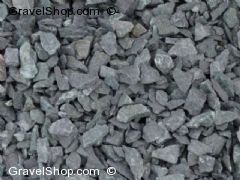
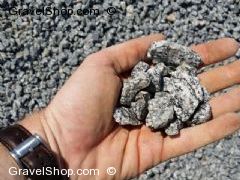
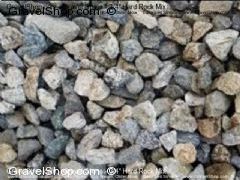
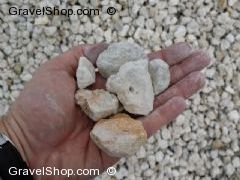
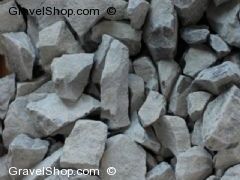
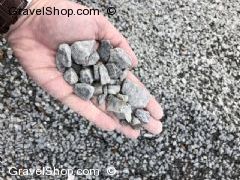
Driveway gravel is available in a wide variety of, materials, textures, and colors. A crushed gravel driveway has a smooth, even reminiscent look of paved surfaces at a fraction of the cost. A blend of crushed rock, mixed gravel, and pea gravel can be used if you are looking for varied textures and colors to create high visual interest. On the other hand, it is hard to beat the crisp, clean look of a limestone crushed gravel driveway. You can get the classic paved look with the gravel price.
If driveway gravel is not for you, bulk gravel can be an useful alternative for paved areas.
Purchase cheap gravel by the truck load for use as a course material to provide drainage. It can act as a ballast, baserock, and become part of aggregates. Bulk gravel can be used as ground cover or the base of a stone garden.
Limerock mixed with cheap gravel is ideal course material for drainage in garden beds and potted plants. Its weight acts as a ballast to keep pots stable, and limerock neutralizes acid in the soil for happy plants. Crushed rock, mixed gravel, pea gravel, and limestone are all perfect for ground cover or inclusion in a stone garden or aggregates. Not only are they lovely, they will not need to be replaced year after year. So while the stone price or gravel price may be higher when you first buy gravel, it is more cost effective in the long run.
Use our gravel calculator to determine the volume and gravel size you need and buy gravel with surety. Search by gravel size, color, stone price, or use. Gravel orders are available by the bag or truck load. Simply click the link at the bottom of the page and use our gravel calculator to find just the right stone for your project.
What is gravel?
It can be limestone, quartz or granite. Gravel comes is many shapes and colors. Gravel is dug up from sand mines or broken down in quarries. Sand mine and rock quarries are areas where there are large quantities of gravel and stone close to the surface.
What is gravel used for?
The purpose of gravel is almost endless. Gravel is used for gardening, access routes, footpaths, terracing paving and much more.
For most of us, thinking about landscaping brings images of plants, water features, and mulch to mind. Gravel is not something many think of as a landscaping material, which is a shame because it is an attractive, versatile, and cost effective option.
Think about one of the most basic elements of landscaping, the driveway. Do you see worn out paths full of ruts and puddles? Most do, but this image overlooks todays options in driveway gravel and the various ways stone can be used to enhance our homes entryway.
Driveway gravel is available in a wide variety of, materials, textures, and colors. A crushed gravel driveway has a smooth, even reminiscent look of paved surfaces at a fraction of the cost. A blend of crushed rock, mixed gravel, and pea gravel can be used if you are looking for varied textures and colors to create high visual interest. On the other hand, it is hard to beat the crisp, clean look of a limestone crushed gravel driveway. You can get the classic paved look with the gravel price.
If driveway gravel is not for you, bulk gravel can be an useful alternative for paved areas.
Purchase cheap gravel by the truck load for use as a course material to provide drainage. It can act as a ballast, baserock, and become part of aggregates. Bulk gravel can be used as ground cover or the base of a stone garden.
Limerock mixed with cheap gravel is ideal course material for drainage in garden beds and potted plants. Its weight acts as a ballast to keep pots stable, and limerock neutralizes acid in the soil for happy plants. Crushed rock, mixed gravel, pea gravel, and limestone are all perfect for ground cover or inclusion in a stone garden or aggregates. Not only are they lovely, they will not need to be replaced year after year. So while the stone price or gravel price may be higher when you first buy gravel, it is more cost effective in the long run.
Use our gravel calculator to determine the volume and gravel size you need and buy gravel with surety. Search by gravel size, color, stone price, or use. Gravel orders are available by the bag or truck load. Simply click the link at the bottom of the page and use our gravel calculator to find just the right stone for your project.
What is gravel?
It can be limestone, quartz or granite. Gravel comes is many shapes and colors. Gravel is dug up from sand mines or broken down in quarries. Sand mine and rock quarries are areas where there are large quantities of gravel and stone close to the surface.
What is gravel used for?
The purpose of gravel is almost endless. Gravel is used for gardening, access routes, footpaths, terracing paving and much more.