Back Fill Mix
Information
- Pricelist: Prices Back Fill Mix
- Density: 1 ton = 0.83 cu yd / 1 cu yd = 1.2 ton
- Coverage: 0.62 cu yd covers 100 sq ft 2 inch deep
- Coverage: 1.54 cu yd covers 100 sq ft 5 inch deep
- Volume Estimator: Coverage Calculate Back Fill Mix
Back Fill Mix Composition and Material Characteristics
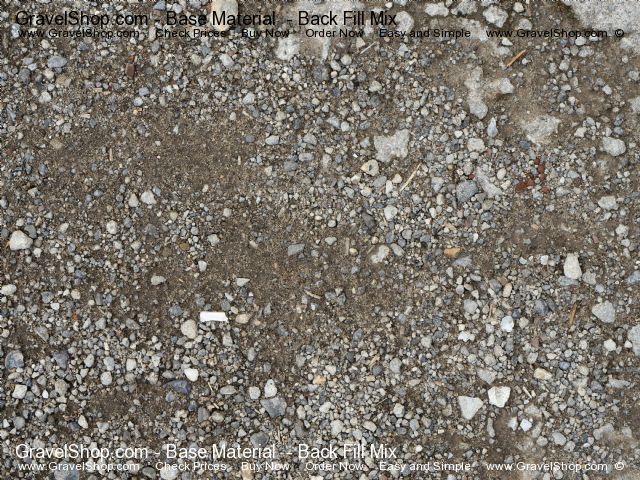
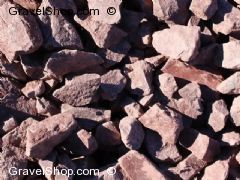
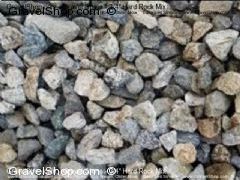
Back Fill Mix, Rock / Sand, typically consists of a blend of various-sized rock fragments and sand particles. This combination provides a versatile base material with properties suitable for a range of backfill applications. Depending on the source and specific batch, the mix may include minor amounts of soil, clay, and organic debris. However, the predominant components are crushed rock and sand, ensuring good compaction and drainage qualities.
The mixture's granular texture helps facilitate water movement through the filled area, reducing hydrostatic pressure against structures like retaining walls or foundations. The blend also compacts well when properly installed, providing a stable and supportive layer that prevents settling or shifting over time. Customers often refer to this product as rock sand backfill or mixed rock-sand fill.
Common Applications of Rock and Sand Backfill Material
Residential Construction Uses
Back Fill Mix is widely employed in residential building projects to fill excavated areas around foundation walls, trenches, and footings. Its drainage capabilities help protect foundations from water intrusion and maintain soil stability.
In landscaping, this mix serves as an ideal base for patios, walkways, and driveways, offering improved compaction and drainage compared to pure soil backfill.
Commercial and Infrastructure Projects
For commercial construction, the mix supports utility trench backfills where cable conduits or piping require protection and stability. Roadway sub-base layers can also benefit from the mix's combination of granular rock and sand, providing structural strength and preventing frost heave.
Backfilling retaining wall systems is another common use, where the product's drainage reduces water buildup that can compromise wall integrity.
Technical Details and Installation Best Practices
When installing Back Fill Mix, it is crucial to place the material in layers and compact each lift thoroughly to achieve optimal density and prevent future settlement. Typical lift thickness ranges from 6 to 12 inches, depending on equipment and project requirements.
Key technical features of this product include:
- Good drainage characteristics due to a mixture of sand and rock
- Effective compaction providing soil stability and load support
- Resistance to frost heaving in colder climates
- Versatility across various soil types and site conditions
Proper base preparation prior to placement includes removing organic materials, debris, and excess moisture to ensure consistent compaction and structural performance.
Selecting Back Fill Mix at Gravelshop for Reliable Supply
Gravelshop prioritizes consistent material quality and timely delivery to support construction schedules across the United States. Their extensive experience in bulk aggregate supply ensures that clients receive accurately sized and graded Back Fill Mix tailored for specific project needs.
Logistics expertise enables Gravelshop to coordinate large volume deliveries directly to job sites, reducing handling times and minimizing down-time for contractors and landscapers.
Transparency in product specifications and customer service responsiveness helps project managers select the appropriate backfill materials with confidence, backed by trusted supply chain reliability.
Comparing Back Fill Mix Variants for Project Suitability
Back Fill Mix, Rock / Sand, is just one of several backfill options. Alternative products include:
- Clean sand backfill - offering superior drainage but less compaction strength
- Gravel backfill - primarily rock fragments providing excellent load support but limited fill volume coverage
- Engineered fill - custom blended for specific soil stabilization or drainage requirements
Choosing the right variant depends on project goals such as drainage, compaction, cost, and environmental conditions. Gravelshop's product experts provide consultation to match mixes to project specifications, ensuring efficient and effective installation.
Essential Tips for Maximizing Backfill Performance
Site Preparation and Layering Techniques
Before backfilling, confirm that the excavation site is free from organic debris and standing water. Layer the mix in controlled lifts with mechanical compaction after each placement to minimize voids and future settlement.
Moisture Control and Compaction Equipment
Maintaining optimal moisture content within the Back Fill Mix during installation improves compaction efficiency. Common compaction tools include plate compactors, rammers, and vibratory rollers, selected based on lift thickness and site accessibility.
Drainage Considerations
Incorporating drainage pipes or geotextile fabrics alongside backfill can enhance water management and extend the durability of structures supported by the fill.
Common Uses for Back Fill Mix
- Backfill for retaining walls or foundation repairs.
- Base layer for installing utility lines or pipes.
- Material for stabilizing slopes or embankments.
- Foundation support for small structures or sheds.
- Compacted fill under patios or walkways.
- Grading material for drainage improvement.
- Foundation fill for fencing posts and other structures.
- Backfill for septic tanks or leaching fields.
- Base layer for driveways requiring additional support.
- Soil blend for filling excavated areas post-construction.
- Support material for landscape features like terraces or steps.
- Fill material for settling and leveling uneven ground.
- Base for planting areas in raised garden beds.
- Soil mix for backfilling around in-ground pools.
Similar products
(844) 331-9393
Our support team is ready to help
© Copyright 2026. Powered by Sand Group USA inc.
Type your ZIP Code
Type the zip code of the delivery address to see available products and prices.