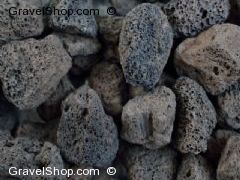
Bank Run Gravel

Backfill Commonly used for backfilling trenches, foundations, and retaining walls, this natural aggregate provides stable base support and strong compaction. Its wide range of particle sizes helps lock material in place, improving load distribution for general construction and landscaping applications.
$ ......
SHOW PRICE
Add to Cart
Stuck? We are here to help! Get a Quote for Aggregates

Information

  • Pricelist: Prices Bank Run Gravel
  • Density: 1 ton = 0.83 cu yd / 1 cu yd = 1.2 ton
  • Coverage: 0.62 cu yd covers 100 sq ft 2 inch deep
  • Coverage: 1.54 cu yd covers 100 sq ft 5 inch deep
  • Volume Estimator: Coverage Calculate Bank Run Gravel

Bank Run Gravel (Backfill): Product Overview and Specifications

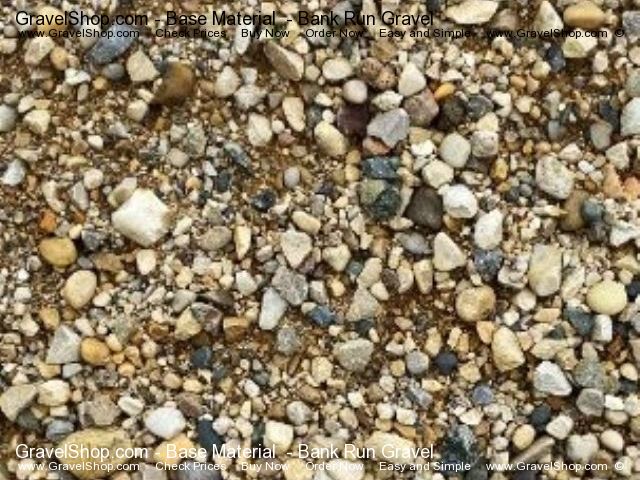
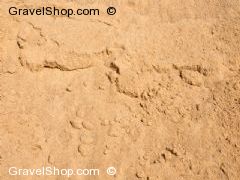
Bank Run Gravel, also known as Backfill, Bank Gravel, Bank-Run Aggregate, or Run-of-Bank Gravel, is a naturally occurring, unprocessed aggregate. It consists of a mix of sand, gravel, silt, clay, and occasional stones or cobbles, all excavated directly from a gravel bank or pit. This material is not washed or screened unless specified, resulting in a wide range of particle sizes and natural variation in color and composition. The gradation is irregular and non-uniform, which means Bank Run Gravel contains everything from fine sand to larger stones, sometimes up to 4 inches or more in diameter. Moisture content and organic material levels also vary depending on the source location.

Bank Run Gravel is valued for its compaction properties and cost-effectiveness. It is widely used for road subbase, general construction fill, backfilling foundations and trenches, temporary access roads, and large area fills. Because it is not processed to remove fines or organic material, it is not suitable for applications that require precise gradation, high cleanliness, or specific engineering standards. It is also not appropriate for use in concrete or asphalt mixes, or as a finished surface layer for roads or driveways unless further processed.

Key Characteristics and Technical Details

  • Mixture of sand, gravel, silt, clay, and occasional stones or cobbles
  • Particle size varies, often up to 4 inches or more
  • Contains up to 10% or more fines (silt/clay)
  • Irregular gradation; not washed or screened
  • Moisture content and organic material levels are variable
  • Color and composition depend on source

Bank Run Gravel may meet ASTM D448 as a naturally occurring aggregate (Group 1), and some local Department of Transportation or project specifications may set maximum stone size or fines content for specific uses. Compaction is required for most construction applications. Due to its natural variability, size and fines content may fluctuate between batches. Bank Run Gravel is typically less expensive than processed aggregates, but offers lower control over structural and engineering properties.

Common Applications

  • Subbase or base material for roads and driveways (not as a finished surface)
  • Backfill for foundations, trenches, and utility lines
  • Fill for embankments and large areas
  • General construction fill and site grading
  • Erosion control in some cases

In practical terms, Bank Run Gravel is spread and compacted in layers to create a stable, load-bearing base. Its range of particle sizes helps lock material in place and distribute loads evenly. However, because it contains fines and organic material, proper site preparation is needed to minimize future settlement or instability. For drainage-sensitive projects, Bank Run Gravel should not be used as the primary drainage layer, as its fines can restrict water flow.

Incorrect Applications and Limitations

Bank Run Gravel should not be used in the following situations:

Incorrect Application Reason
Concrete or asphalt mixes Variable gradation and presence of fines/organic material
Drainage layers requiring clean aggregate Fines restrict water flow
Applications needing precise gradation or cleanliness Irregular composition, not screened or washed
Finished surfaces for roads or driveways Not processed for surface use, may cause instability
Areas with high organic content or excessive fines May lead to settlement or instability

Always check local building codes and project specifications before use. Bank Run Gravel is not recommended where specific engineering properties are required or where the highest stability and drainage are needed. For these applications, processed or engineered fill is more suitable.

Comparison to Other Aggregates

Aggregate Type Bank Run Gravel Processed Gravel Clean Gravel/Drainage Stone
Gradation Irregular, non-uniform Uniform, controlled Uniform, controlled, washed
Fines Content Up to 10% or more Low to moderate Minimal to none
Organic Material Possible presence Typically removed Removed
Drainage Suitability Poor Moderate Excellent
Cost Lower Higher Higher

Bank Run Gravel is ideal for large-scale fill and subbase work where cost and compaction are priorities, but not for high-precision or drainage-critical projects.

Ordering, Pricing, and Delivery Information

Gravelshop supplies Bank Run Gravel in bulk quantities across 31 U.S. states. Orders can be placed online, and pricing includes delivery to your location. The price per ton and delivery fee may vary by region, reflecting local sourcing and transportation costs. Below is a selection of recent price examples for Bank Run Gravel, showing how costs differ by city and county:

City ZIP Code County Price per Ton (USD) Delivery Price (USD)
Walhonding 43843 Coshocton 16 132
Escanaba 49829 Delta 13 132
Schenevus 12155 Otsego 21 135
Carlton 55718 Carlton 14 117
Cordova 61242 Rock Island 20 133
Campbell Hall 10916 Orange 23 198
Deposit 13754 Broome 21 135
Barnegat 08005 Ocean 14 135

To see specific pricing for your area, enter your ZIP code on the Gravelshop website. All listed prices include delivery, and there are no hidden charges. Minimum order quantities may apply and can vary by location. Delivery is performed by independent trucking companies, and road access to the delivery point must be suitable for heavy trucks (at least 12 feet wide). The driver will unload the material at the most suitable accessible spot, and if you are not present, you accept full responsibility for the material left unattended.

Ordering Process and Customer Support

Ordering Bank Run Gravel from Gravelshop is straightforward. Browse available materials, enter your ZIP code, add your desired quantity to the cart, and proceed to checkout. Payment can be made online using major credit cards or digital payment services. After placing your order, you will receive a confirmation email with delivery and payment details. Gravelshop provides clear communication and support throughout the process. For any questions or special requests, customer care is available by phone, email, or SMS. Delivery is typically available within two business days, with morning or afternoon time slots to choose from.

Summary: Suitability and Practical Use

Bank Run Gravel is a versatile, cost-effective material for bulk fill, subbase, and backfill in construction and landscaping. Its natural composition and range of particle sizes provide good compaction and stability for foundational work. However, due to its irregular gradation, fines, and organic content, it is not suitable for drainage layers, concrete or asphalt production, or finished surface applications. Always confirm project requirements and consult local codes before use. Size variation and the presence of fines are normal for this product. Gravelshop delivers Bank Run Gravel directly from local pits and quarries, offering transparent pricing and reliable scheduling for residential, commercial, and professional projects.


Related Products


Frequently Asked Questions

Bank Run Gravel is commonly used for backfilling trenches, foundations, and retaining walls. It provides stable base support and strong compaction for construction and landscaping projects.

Bank Run Gravel is an unprocessed mix of sand, gravel, dirt, and silt directly from quarry banks, whereas washed gravel is screened and cleaned. This makes Bank Run Gravel better for compaction but less permeable.

Bank Run Gravel is less permeable due to its mix of particle sizes, so proper drainage planning is needed. Combining it with washed gravel or sand can help enhance water flow.

Bank Run Gravel is not typically recommended for decorative use because of its mixed particle sizes and less uniform appearance. It is best suited for functional construction roles.

Before installing Bank Run Gravel, the site should be cleared and leveled. The gravel is spread evenly and compacted using mechanical equipment to ensure stability and prevent settling.

Bank Run Gravel offers excellent compaction, stability, and load distribution. Its natural mix helps resist shifting under pressure, making it ideal for foundational and base support applications.

Yes, Bank Run Gravel is commonly used as a stable base for residential driveways, walkways, and patios. It provides a solid platform for pavers and concrete slabs.


More Questions? Tap the chat icon in the bottom-right to ask our AI assistant.

(844) 331-9393
Our support team is ready to help

OK

Type in Zip code

SAVE

* to get price and selection