River Sand

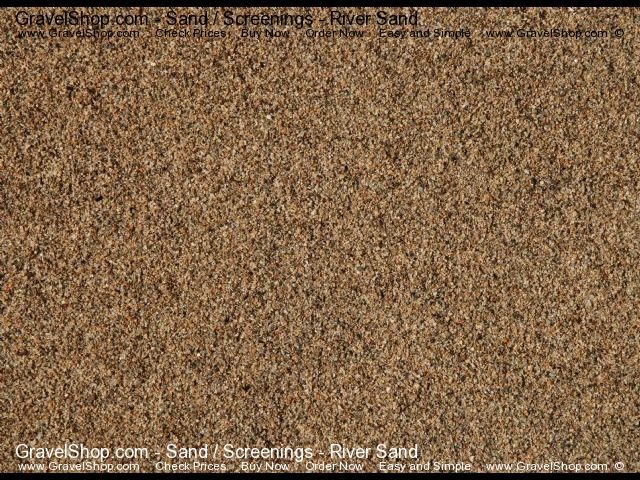
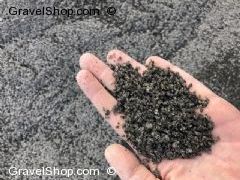
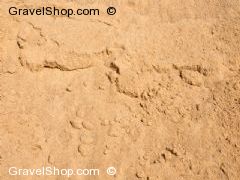
Fine, rounded granular material commonly used in concrete, mortar, plaster, and paving. Ideal for providing a smooth finish and improving workability in mixes, it supports structural applications and landscaping projects requiring clean, consistent texture.
$ ......
SHOW PRICE
Add to Cart
Stuck? We are here to help! Get a Quote for Aggregates

Information

  • Pricelist: Prices River Sand
  • Density: 1 ton = 0.83 cu yd / 1 cu yd = 1.2 ton
  • Coverage: 0.62 cu yd covers 100 sq ft 2 inch deep
  • Coverage: 1.54 cu yd covers 100 sq ft 5 inch deep
  • Volume Estimator: Coverage Calculate River Sand

Unlocking the Practical Benefits of River Sand in Construction and Landscaping

River sand is a naturally occurring granular material composed primarily of fine particles of quartz and other minerals, typically sourced from riverbeds and floodplains. It is widely used in construction and landscaping projects due to its rounded grains and clean texture, making it distinct from crushed sand or manufactured sand. River sand provides a smooth finish in concrete, mortar, plastering, and paving applications.

Key Attributes Influencing River Sand's Suitability for Structural and Aesthetic Uses

One of the most important characteristics of river sand is its particle shape and size distribution. Unlike crushed sand, which tends to have angular particles, river sand grains are rounded and smooth due to natural weathering and water transport.

This rounded texture improves workability in mixes, reducing the water demand for cementitious materials. Additionally, the sand's cleanliness-free from excessive clay, silt, and organic matter-affects the strength and durability of concrete and mortar.

River sand typically has good drainage properties, which helps prevent water accumulation around foundations or landscaping features. However, its less angular shape can reduce mechanical interlocking in certain structural applications, so it is important to consider project-specific requirements.

Common Construction and Landscaping Projects Using Natural River Sand

  • Concrete mixes for foundations, slabs, and driveways
  • Mortar for bricklaying, blockwork, and plastering
  • Base layers in paving and tile installations
  • Landscaping features such as pathways, play areas, and sandboxes
  • Drainage beds and filter layers for retention ponds or French drains

River sand's fine particle size and smooth texture help achieve a uniform finish and consistent set times in cement-based applications. It is also preferred in decorative work where surface smoothness and color consistency are important.

Selecting the Appropriate River Sand Grade and Quantity for Your Project

Grain Size Considerations

River sand is graded by particle size, ranging from fine sand (<0.5 mm) to coarse sand (up to 2 mm). Finer grades are ideal for plastering and finishing work, while coarser grades are better suited for concrete mixes and drainage layers.

Volume Calculations and Ordering Tips

Estimating the correct volume of river sand for a project requires accounting for compaction and waste. A common method is to calculate the total volume of the mix or filling needed and add a 5-10% allowance for wastage and compaction.

  • Confirm the project area dimensions and desired depth
  • Consult mix design specifications if using sand in concrete or mortar
  • Contact Gravelshop's customer service for delivery scheduling and bulk pricing

Installation Best Practices and Site Preparation for River Sand Usage

Proper base preparation is critical when applying river sand as a bedding or base material. Subgrade soils should be compacted and graded to prevent uneven settlement or pooling.

When used in concrete or mortar, river sand should be clean and free from debris or organic contaminants. Washing or sieving may be necessary if sourcing from less controlled environments.

For landscaping applications, layering river sand over geotextile fabrics can enhance drainage while preventing intermixing with underlying soil layers.

Performance Expectations and Limitations of River Sand in Construction

River sand improves workability and finish quality but may provide lower mechanical bonding compared to crushed sand in some structural mixes due to its rounded grains. It is important to assess project strength requirements accordingly.

The natural supply of river sand can fluctuate seasonally, and its extraction may be regulated to protect ecosystems. Users should verify availability and compliance with local regulations.

Why Choose Gravelshop for Your River Sand Bulk Aggregate Needs

Gravelshop specializes in bulk delivery of premium construction aggregates including river sand, ensuring consistent quality and reliable supply for your projects. Our extensive network and logistics expertise allow for on-time delivery tailored to project schedules.

We provide technical consultation to help you select the right grade and quantity for your application, minimizing waste and optimizing material performance. Partnering with Gravelshop streamlines procurement and supports project success.

Common Uses for River Sand

- Ideal for mixing with concrete to create a smooth finish.
- Can be employed in the construction of mortar for bricklaying.
- Applicable in artistic projects, such as sand sculptures or decorations.
- Effective in creating decorative features around pools or water gardens.
- Can be utilized in golf course bunkers for an authentic playing surface.
- Excellent material for creating zen gardens or dry creek beds.
- Effective for filling small holes or voids in landscaping.
- Used in the preparation of soil for growing plants and grass.
- Can serve as a top dressing for lawns to improve soil texture.
- Used for backfilling around retaining walls to improve drainage.
- Suitable for mixing with clay to improve soil consistency.


Similar products


Frequently asked questions

River sand is commonly used in concrete, mortar, plaster, and paving. It provides a smooth finish and improves workability in construction and landscaping projects.

The rounded grains of river sand enhance workability and reduce water demand in cement mixes. This results in stronger, more durable concrete and mortar.

River sand is graded by particle size from fine sand (<0.5 mm) to coarse sand (up to 2 mm). Finer sand is best for plastering, while coarser sand is suited for concrete and drainage.

Yes, river sand is ideal for landscaping features like pathways, play areas, and sandboxes due to its clean texture and good drainage properties.

To estimate river sand quantity, calculate the project volume and add 5-10% for compaction and waste. Confirm area dimensions and consult mix designs for accuracy.

River sand has rounded, smooth grains unlike angular crushed sand. This improves workability but may offer less mechanical interlocking for some structural uses.

Gravelshop offers river sand delivery and bulk pricing. Contact their customer service for scheduling and ordering assistance.


More Questions? Tap the chat icon in the bottom-right to ask our AI assistant.

(844) 331-9393
Our support team is ready to help

OK

Type in Zip code

SAVE

* to get price and selection