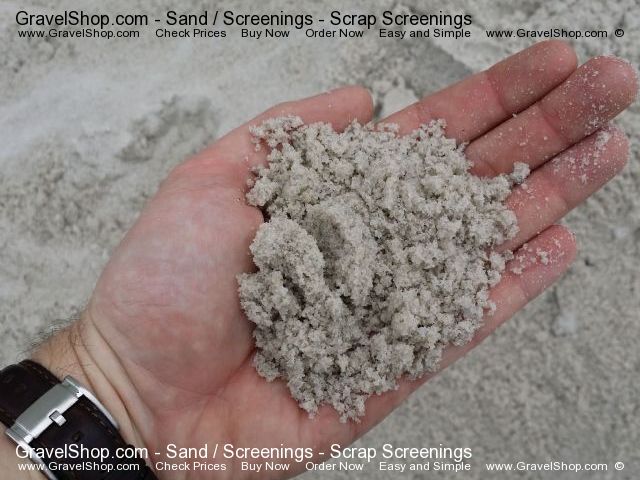
Scrap Screenings
- Pricing Scrap Screenings
- Compare Prices vs. Alternatives
- Density 1 ton = 0.83 cu yd / 1 cu yd = 1.2 ton
- Coverage 0.62 cu yd covers 100 sq ft 2 inch deep
- Coverage 1.54 cu yd covers 100 sq ft 5 inch deep
- Volume Estimator Calculate Scrap Screenings
Scrap Screenings: Technical Overview and Practical Applications
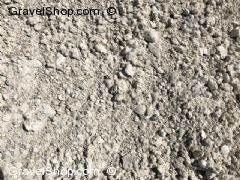
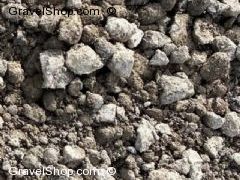
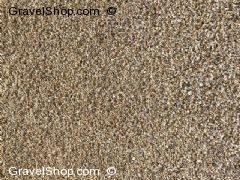
Scrap Screenings, also known as Metal Scrap Screenings, Scrap Metal Fines, Metal Shavings, Scrap Chips, or Scrap Dust, are small metal particles or fragments produced during metal cutting, grinding, or machining. These particles are typically rougher and more irregular than standard screenings. They are not suitable for decorative or finished surfaces but serve as a reliable fill or base material for construction, landscaping, and industrial recycling.
The composition of Scrap Screenings varies depending on the source metal and fabrication process. Common metals include steel, aluminum, copper, and various alloys. The particles are usually fine or granular, with a high surface area relative to their volume. They may contain oils, lubricants, or contaminants from machining, and can be magnetic or non-magnetic depending on the metal type. Scrap Screenings require careful handling due to sharp edges and possible contamination.
Key Characteristics of Scrap Screenings
- Produced as a byproduct of metal fabrication, machining, or grinding processes
- Irregular particle size and shape, often classified by mesh size (e.g., passing through 1/4 inch or smaller screens)
- May contain residual oils, lubricants, or contaminants
- Variable moisture content depending on storage
- Require proper storage and handling to prevent fire hazards (OSHA guidelines apply)
Scrap Screenings are collected as waste in metalworking industries and are often recycled for metal recovery. They are not suitable where a smooth, refined aggregate is needed. The roughness and variability of this material make it ideal for base or fill layers but not for exposed, decorative applications.
Common Uses and Limitations
Scrap Screenings are primarily used as a recycling feedstock for metal recovery, raw material for secondary metal products, and in foundries as part of the charge materials. They may also be processed into briquettes or pellets for easier handling and melting. Occasionally, they are used in powder metallurgy and as a component in composite materials for research. In construction, they provide solid compaction and stability for foundational layers in commercial and residential projects.
- Base layers beneath sidewalks, patios, driveways, and roads
- Filling trenches and utility bedding
- Sub-base layers for pavers and concrete slabs
- Landscaping fills for level grading
Scrap Screenings are not appropriate for top surfaces where a refined or decorative finish is required. Their fine, irregular nature reduces permeability, so drainage must be carefully considered in site design.
Technical Specifications and Handling Standards
| Specification | Details |
|---|---|
| Particle Size | Variable; often screened by mesh size (?1/4 inch) |
| Chemical Composition | Depends on source metal; may require analysis for recycling |
| Moisture Content | Typically low; may require drying before processing |
| Contaminants | May include oil, grease, dirt; regulated for recycling |
| Magnetic Properties | Ferrous or non-ferrous; tested if separation is needed |
| Bulk Density | Varies by metal type and particle size |
| Storage & Handling | Follow OSHA guidelines to prevent fire hazards |
| Regulatory Compliance | May be subject to EPA regulations if hazardous |
Proper site preparation is essential. Place Scrap Screenings in controlled layers, not exceeding 4 to 6 inches, and use mechanical compaction equipment to achieve a dense, stable base. Maintain adequate moisture during installation to improve compaction and reduce dust.
Available Options and Delivery Information
Scrap Screenings are available with varying particle size distributions and metal compositions, depending on the source. Gravelshop supplies Scrap Screenings with consistent quality control, suitable for a range of project requirements. Bulk delivery is available, and customers may request samples or material testing reports as needed.
| City | Zip Code | County | Price per Ton (USD) | Delivery Price (USD) |
|---|---|---|---|---|
| Dania | 33004 | Broward County | 309 | 227 |
| Dimondale | 48821 | Eaton County | 77 | 92 |
Pricing varies by location, source, and delivery distance. All prices include delivery and sales tax. For a full list of available materials and prices in your area, enter your ZIP code on the Gravelshop website.
Installation and Usage Guidelines
When using Scrap Screenings, always prepare the installation area by clearing debris and grading the site. Install in thin, controlled layers to ensure even compaction. Use appropriate safety measures due to sharp edges and potential contaminants. Scrap Screenings are not suitable for direct exposure to foot or vehicle traffic as a finished surface.
Gravelshop delivers Scrap Screenings across 31 U.S. states. Orders can be placed online, and delivery is scheduled for your convenience. Please ensure road access is at least 12 feet wide for delivery trucks. We do not offer material spreading or landscaping services; material will be unloaded at the most suitable location as determined by the driver.
Summary Table: Scrap Screenings Properties and Applications
| Property | Description |
|---|---|
| Main Component | Metal fines and fragments from machining |
| Texture | Rough, granular, irregular |
| Common Uses | Base layers, fill, recycling feedstock |
| Limitation | Not for decorative or finished surfaces |
| Handling | Requires care due to sharp edges and contaminants |
| Compaction | High, forms stable base when compacted |
Ordering and Delivery with Gravelshop
Ordering Scrap Screenings from Gravelshop is straightforward. All prices shown include delivery and sales tax. Delivery is available for bulk quantities, and customers can choose their preferred delivery date and time slot during checkout. For each order, a confirmation email is sent with payment and shipping details. If you are not present at delivery, the material will be left at the designated location, and you assume responsibility for the unattended material.
Gravelshop serves both residential and commercial customers. We do not offer spreading or landscaping services, but our support team is available to answer questions and help you select the right material for your project. For more information, visit our website or contact our customer support.
Important Limitations and Safety Notes
Scrap Screenings are not suitable for use as a finished surface or where a refined aggregate is needed. They may contain sharp edges and contaminants, requiring appropriate personal protective equipment during handling and installation. Moisture and oil content may vary, and proper site drainage is necessary to avoid water retention. Always follow local regulations and safety standards when storing and handling Scrap Screenings.
Similar Products
Related Topics
What are Screenings?
Not sure what stone screenings are? Discover their uses, sizes, and why they're a go-to base and finishing layer for hardscapes.
Crushed Screenings and Stone Dust Materials
Screenings and stone dust are crushed aggregates with fine particles used to create stable base layers and smooth leveling surfaces. These materi...
Decomposed Granite or Granite Screenings
Choosing decomposed granite or granite screenings? Discover key differences in size, texture, and color to match your path, patio, or driveway.
Frequently Asked Questions
Scrap Screenings are primarily used as base layers, fill material, and recycling feedstock in construction and industrial applications. They provide solid compaction and stability for foundational layers in sidewalks, patios, driveways, and utility bedding.
Scrap Screenings are not suitable for decorative or finished surfaces. Their rough, irregular texture makes them ideal for base or fill layers but not for exposed top surfaces.
Scrap Screenings should be installed in thin, controlled layers of 4 to 6 inches with mechanical compaction to create a dense, stable base. Proper site preparation and moisture control help improve compaction and reduce dust.
Scrap Screenings contain sharp edges and possible contaminants, so appropriate protective equipment and careful handling are necessary. Storage and handling must follow safety guidelines to prevent fire hazards.
Scrap Screenings may include residual oils, lubricants, dirt, and other contaminants from machining processes. These materials require proper handling and may be subject to regulatory compliance during storage and recycling.
Bulk delivery of Scrap Screenings is available across multiple U.S. states. Delivery is scheduled at your convenience, and prices typically include delivery and sales tax.
Scrap Screenings have a fine, irregular nature that reduces permeability. Drainage considerations are important when using them, and they are not recommended where high drainage is needed.
Scrap Screenings consist of metal fines and fragments from machining, commonly including steel, aluminum, copper, and various alloys. The exact composition varies depending on the source metal.
More Questions? Tap the chat icon in the bottom-right to ask our AI assistant.
(844) 331-9393
Our support team is ready to help
Gravelshopβ’ Established 2015.
© Copyright 2015-2026. Powered by Sand Group USA inc.
Built by Gravel Group · Aggregate Technology
Local Pricing & Availability
Enter your delivery ZIP code to synchronize with our logistics network and 10,000+ aggregate resources nationwide.